Sep 14, 2026Industry Insights
Lithium Battery Rules for Ride-On Luggage: 96.2 Wh, UN38.3 and Airline Cabin Limits
Why 96.2 Wh is the decisive number for ride-on luggage, which battery documents the battery supplier holds, and the airline cabin bands buyers need to check before shipping.
Why 96.2 Wh Is the Decisive Number
Every ride-on suitcase carries a lithium battery, and for a buyer the single most important figure on the specification sheet is not the voltage or the amp-hour rating. It is the watt-hour rating, because that is the number airlines and freight forwarders use to decide whether a battery may travel and how.
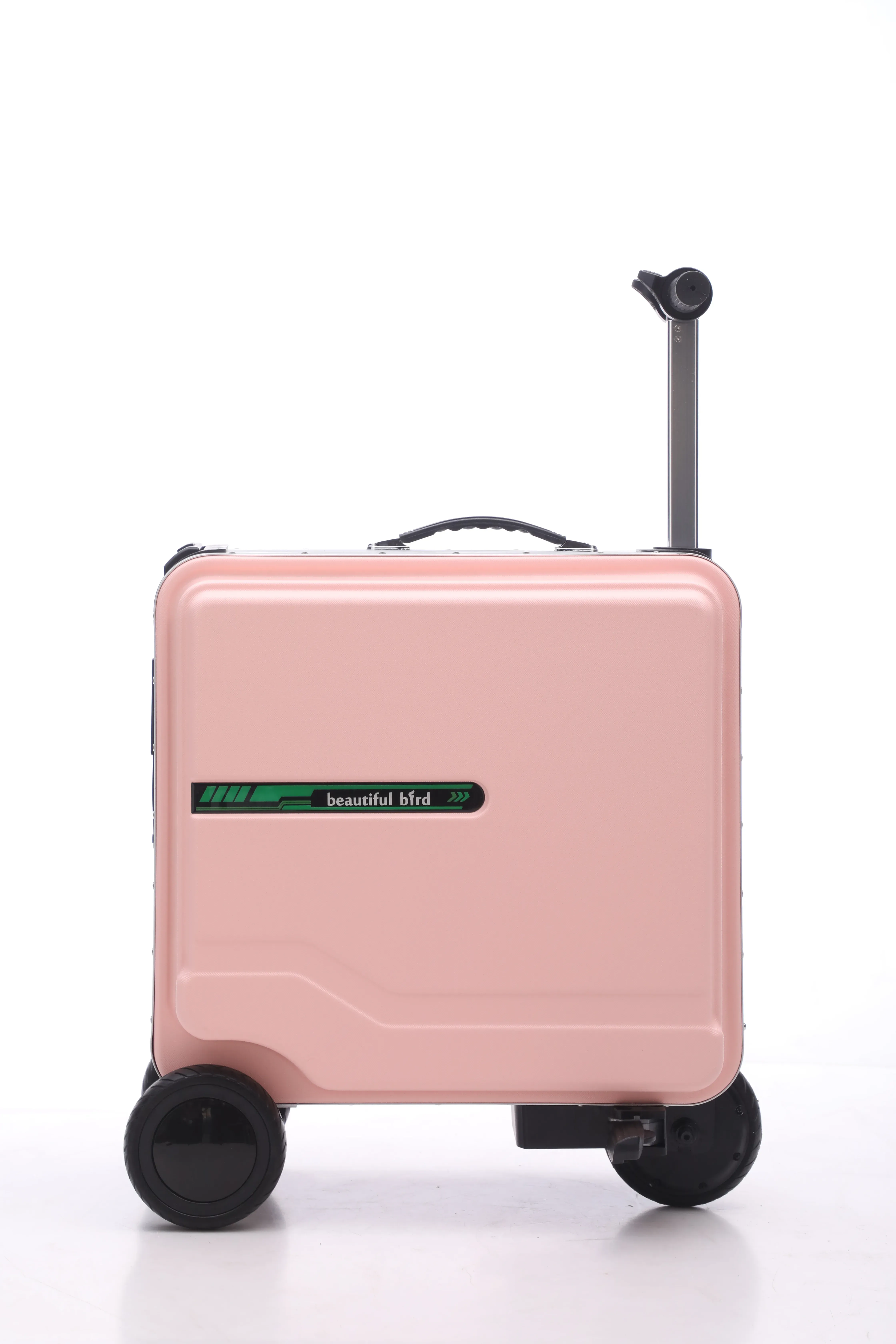
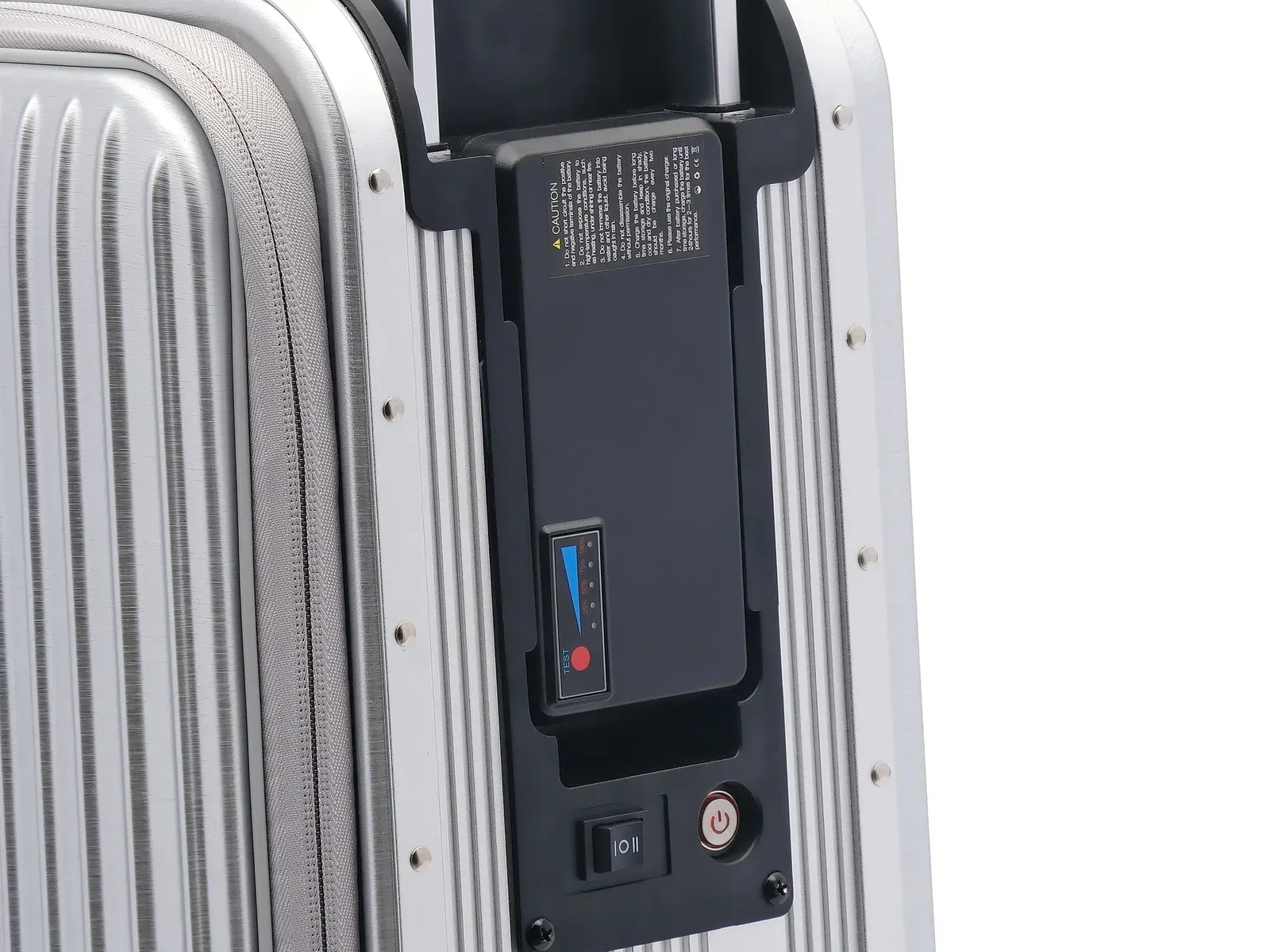
Our units carry a 96.2 Wh detachable lithium battery, configured as 37 V at 2600 mAh. That figure sits deliberately below the 100 Wh threshold that separates a battery a passenger can generally carry from one that needs an airline's prior approval. A supplier quoting a ride-on suitcase should be asked for the watt-hour rating directly, and the answer should be a specific number rather than a range.
The Cabin Bands: Under 100 Wh, 100 to 160 Wh, and Above
Lithium batteries in the cabin are governed by watt-hour bands. Batteries rated below 100 Wh are generally accepted in carry-on baggage. Batteries rated from 100 Wh to 160 Wh generally require the airline's approval before travel. Batteries above 160 Wh are generally not accepted in passenger baggage at all.
Since 2018, major airlines have required the batteries in smart luggage to be removable, so that a battery can be taken into the cabin while the case itself travels as checked baggage or is gate-checked. Removability is therefore a design requirement rather than a marketing feature, and a detachable battery is the configuration we build to. Buyers sourcing ride-on luggage should confirm two things in writing: the watt-hour rating, and whether the battery can be removed without tools.
A Marking Change Buyers Should Track Into 2026
From 2026, lithium batteries are required to display their watt-hour rating on the battery body itself. A battery without a legible Wh marking on the cell or pack may be refused carriage, even when the paperwork is complete. This is a packaging and labelling issue rather than a design issue, and it is worth writing into a purchase specification so that the marking is verified at the factory rather than discovered at an airport counter.
A second restriction is worth tracking at the destination end. Since 2024, several airports in Japan have restricted the use of rideable luggage inside terminal buildings. Buyers selling into Japan, and travellers passing through it, should treat that as an operational rule that changes independently of the product specification.
Who Actually Holds the Battery Documents
This is the part of the category where buyers most often receive an inaccurate answer, so it is worth stating plainly.
UN38.3 test reports, battery MSDS sheets and air transport identification documents for the battery we fit are held by our battery supplier. They are not held by us, because we are not the battery manufacturer. A maritime dangerous goods packing certificate is not currently held either, because no customer has required one. We state this because a buyer's freight forwarder will ask to see the documents with the issuing entity's name on them, and a claim of ownership that the paperwork does not support is the fastest way to stall a shipment at the port.
What we can do is put a buyer in contact with the battery supplier's documents for the exact cell being fitted, and confirm the watt-hour rating and the removable design in the quotation. Buyers arranging air freight should request the UN38.3 report and the air transport identification document from the battery supplier's file before booking.
What These Units Deliberately Leave Out
The electrical system in these units is a motor, a controller and a battery, and nothing else. There is no remote locking, no remote tracking and no connectivity feature of any kind.
That is a design decision with a compliance consequence buyers should understand. The electrical file on these models is CE-EMC, FCC SDoC and RoHS, which is the set that applies to a motorised case and the set we hold for the certified model families. There is no second certification track in the file, and a buyer's checklist for connected products can be marked not applicable against this product.
It also means a unit cannot be located, locked or unlocked from a distance, and a listing that implies remote-locking capability would be misleading. Buyers who want a connected feature for their market should treat that as a development request rather than a specification option, and raise it before a mould or a colour run is committed.
The Compliance Questions to Put in Writing
Four questions, asked in writing before a first order, separate a supplier who understands this category from one who does not. What is the watt-hour rating of the battery, stated as a number. Can the battery be removed without tools. Which legal entity holds the UN38.3 report and the MSDS. And which model families does the electrical compliance file actually cover.
Answers to those four questions determine whether a container can move by air or sea without a customs or carrier dispute, and whether the compliance file a buyer is shown covers the model being quoted, which on a multi-model platform is not automatic. They also make a quotation comparable between suppliers, because two quotes that both say "lithium battery" without a watt-hour figure are not describing the same product.